
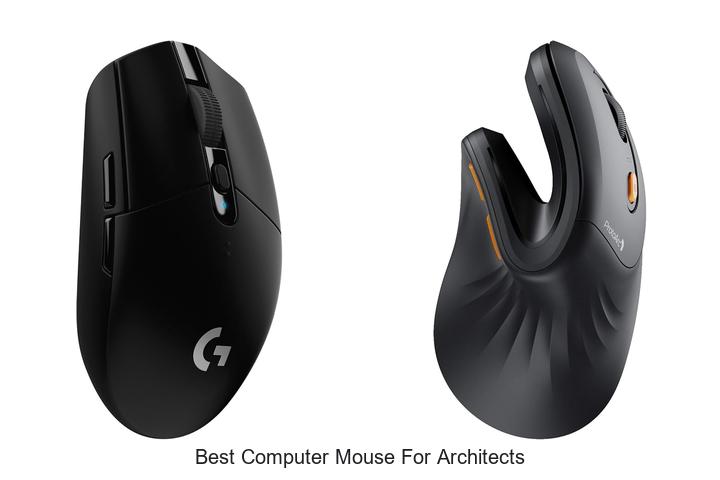
Precision tracking, customizable DPI settings, ergonomic design, and programmable buttons are critical factors when selecting peripherals tailored for design professionals. Architects rely heavily on intricate software like AutoCAD, Revit, and SketchUp, where every click and movement demands accuracy and comfort during extended sessions. The nuances of 3D modeling and detailed drafting necessitate a tool that not only supports fluid cursor movement but also reduces physical strain over long hours.
Identifying the best computer mouse for architects involves balancing performance with ergonomic support to enhance productivity and creativity seamlessly. As the market offers a myriad of options boasting advanced technical features, understanding which specifications truly meet the specialized needs of architectural workflows becomes essential.
Dive deeper to uncover what makes a mouse stand out as an indispensable asset for architects.
Enhance Precision and Comfort with These Top Picks Designed for Creative Professionals
| Image | Product | Price |
|---|---|---|
Our Picks 1  | Logitech G305 Wireless Gaming Mouse Black | Check Price On Amazon |
Our Picks 2  | ProtoArc EM11 NL Wireless Ergonomic Vertical Mouse | Check Price On Amazon |
Our Picks 3  | Logitech M185 Wireless Mouse Swift Grey | Check Price On Amazon |
1. Logitech G305 Wireless Gaming Mouse Black
Experience precision and reliability with the Logitech G305 Wireless Gaming Mouse Black, an exceptional option for architects and designers who demand accuracy and fluid control. Its advanced HERO sensor and LIGHTSPEED wireless technology provide a seamless experience ideal for both detailed work and extended use.
The Logitech G305 combines cutting-edge 12,000 DPI sensitivity with ultra-fast 1 ms wireless response, ensuring lag-free performance. Lightweight at just 4 ounces, it offers exceptional maneuverability, powered by a single AA battery that lasts up to 250 hours, extendable via customizable software settings.
Pros
- Next-generation HERO optical sensor delivering accurate tracking up to 12,000 DPI.
- LIGHTSPEED wireless technology providing 1 ms report rate for responsive, lag-free use.
- Long battery life of up to 250 hours on one AA battery, with endurance mode extending up to 9 months.
Cons
- Minimum 1.0 meter wireless range may limit mobility in larger workspaces.
Delivering precision, responsiveness, and impressive battery longevity, the Logitech G305 Wireless Gaming Mouse is a versatile and dependable choice for architects seeking enhanced control and comfort in their digital workflow. Its blend of performance and portability stands out among entry-level wireless mice.
2. ProtoArc EM11 NL Wireless Ergonomic Vertical Mouse
Experience a new level of comfort and productivity with the ProtoArc EM11 NL Wireless Ergonomic Vertical Mouse, expertly crafted for small to medium hands. Its unique vertical design reduces wrist strain, making it an excellent choice for architects and professionals who spend hours at their desks.
Engineered for seamless multitasking, this ergonomic mouse supports connectivity with up to three devices via dual Bluetooth and 4G USB-A receiver. It boasts adjustable DPI settings up to 2400 for precise control, a rechargeable battery, and quiet clicking, ensuring both performance and comfort throughout your workday.
Pros
- Ergonomic vertical design that aligns naturally with your hand to minimize wrist strain and enhance comfort.
- Multi-device connectivity allows simultaneous pairing with three devices, improving workflow efficiency.
- Adjustable DPI settings (1000/1600/2400) deliver precise tracking suitable for detailed architectural work.
- Rechargeable 500mAh battery with convenient USB-C charging cable included for continuous use.
- Compatibility across multiple operating systems including Windows, Mac OS, and Android.
- Quiet left and right clicks help maintain focus in shared or quiet workspaces.
Cons
- Forward and back buttons are not programmable and lack compatibility with Mac OS, limiting some functionalities.
The ProtoArc EM11 NL stands out as an affordable, ergonomic option that blends functionality with comfort, especially suited for architects and professionals seeking to reduce wrist fatigue during long work sessions. Compared to standard mice, its vertical design and multi-device support provide tangible ergonomic and productivity benefits.
3. Logitech M185 Wireless Mouse Swift Grey
Experience seamless navigation and enhanced productivity with the Logitech M185 Wireless Mouse Swift Grey. Designed for comfort and efficiency, this compact and ambidextrous mouse offers reliable wireless connectivity, making it an ideal accessory for architects and professionals seeking precision and ease in their workflow.
Featuring a contoured shape to suit both right- and left-handed users, the M185 boasts a durable optical sensor, a precise line-by-line scroll wheel, and up to one year of battery life. Its universal compatibility supports Windows and Mac systems with plug-and-play simplicity, ensuring a smooth transition from any device or workspace.
Pros
- Ergonomic and compact design supports ambidextrous use, fitting comfortably in small to medium hands.
- Up to 12 months of battery life with smart sleep mode maximizes uninterrupted productivity.
- Plug-and-play USB nano receiver offers a strong, reliable wireless connection up to 33 feet.
Cons
- Limited button quantities may not satisfy users needing advanced customizable controls.
For architects and professionals prioritizing portability, comfort, and dependable wireless performance, the Logitech M185 Wireless Mouse Swift Grey stands out as a practical choice. Its balance of simplicity and functionality provides excellent value compared to more complex or bulkier models in the same price range.
4. E-YOOSO Wireless Mouse for Large Hands

Discover unparalleled comfort and precision with the E-YOOSO Wireless Mouse for Large Hands, expertly designed to cater to users needing a spacious grip and smooth navigation. Its ergonomic construction minimizes fatigue, making it an excellent choice for architects and professionals requiring long hours of detailed work.
Engineered with anti-sweat and anti-slip materials, this mouse fits naturally in larger hands, featuring side finger rests for added support. Adjustable DPI settings up to 4800 and dual polling rates provide accurate cursor movement, while 4GHz wireless connectivity ensures a strong, lag-free connection up to 33 feet.
Pros
- Ergonomic shape with anti-sweat material ideal for extended use by users with large hands
- Five-level DPI adjustment (800 to 4800) and two polling rates for customizable precision
- Stable 2.4GHz wireless connection with a 33-foot range and convenient USB nano receiver storage
Cons
- Side buttons functionality is limited on Mac OS systems
Offering exceptional ergonomic support, precise tracking, and broad device compatibility, the E-YOOSO Wireless Mouse stands out as a reliable tool for architects and professionals alike. Compared to standard mice, its larger size and customizable settings deliver enhanced control and comfort at an affordable price point.
5. Logitech Lift Vertical Ergonomic Wireless Mouse

Experience unparalleled comfort and precision with the Logitech Lift Vertical Ergonomic Wireless Mouse, designed to elevate your workspace and reduce wrist strain. Ideal for small to medium right hands, it perfectly combines ergonomic design with modern technology, making it a top choice for professionals seeking seamless productivity and comfort.
Featuring a vertical shape angled at 57 degrees, this mouse encourages a natural forearm posture to minimize discomfort during extended use. Equipped with whisper-quiet clicks, a SmartWheel for smooth scrolling, and customizable buttons, it offers intuitive control across multiple platforms, including Windows, macOS, iPadOS, and Linux.
Pros
- Ergonomic vertical design reduces wrist and forearm strain for all-day comfort.
- Dual connectivity via Bluetooth Low Energy and Logi Bolt USB ensures versatile device compatibility.
- Extended battery life up to 24 months minimizes downtime and replacement frequency.
Cons
- Right-hand orientation limits use for left-handed users.
Combining thoughtful ergonomics with reliable wireless performance, the Logitech Lift Vertical Ergonomic Wireless Mouse stands out as an excellent investment for architects and professionals who demand comfort alongside efficiency. Its superior design and multi-device compatibility make it a smart upgrade compared to traditional ergonomic mice.
6. Acer Wireless 2.4GHz Mouse

Experience seamless precision and hassle-free connectivity with the Acer Wireless 4GHz Mouse, designed specifically for medium to large hands. Its plug-and-play functionality paired with adjustable DPI settings makes it an excellent companion for architects and design professionals seeking accuracy and comfort in their workflow.
Boasting a 4GHz wireless connection with a 32-foot range, this mouse ensures stable, interference-free usage without the need for additional drivers. Features like three DPI levels, forward/backward browsing buttons, and a visible LED indicator enhance productivity while its long-lasting battery and ergonomic design provide all-day comfort and reliability.
Pros
- Three adjustable DPI settings (800, 1200, 1600) for customizable precision ideal for detailed design work.
- Stable 2.4GHz wireless connectivity offering up to 32 feet of interference-free range for flexible use.
- Ergonomic design tailored for medium to large hands, supporting comfortable extended usage.
Cons
- Side buttons do not function on macOS, limiting some navigation features for Mac users.
The Acer Wireless 4GHz Mouse is an affordable yet highly reliable option for architects and professionals requiring precision and comfort. Compared to similar wireless mice, it balances essential features with user-friendly design, making it a smart investment for enhanced productivity at home or office.
7. Lekvey Rechargeable Vertical Wireless Mouse

Experience unparalleled comfort and precision with the Lekvey Rechargeable Vertical Wireless Mouse, expertly designed to reduce wrist strain and enhance productivity. Its ergonomic vertical design promotes a natural handshake posture, making it an ideal choice for professionals seeking relief and efficiency in daily computer tasks.
Boasting multifunctional buttons including advanced page navigation and adjustable DPI levels (800/1200/1600), this wireless mouse perfectly balances convenience with performance. A high-capacity rechargeable battery ensures over 150 hours of uninterrupted use, all while maintaining silent operation and broad device compatibility.
Pros
- Ergonomic vertical design encourages natural wrist and arm positioning, reducing pain
- Long-lasting rechargeable battery offering up to 150 hours per charge for extended use
- Advanced navigation buttons and adjustable DPI levels support versatile control and precision
Cons
- Adjustment period of 3-5 days needed to become fully comfortable with the vertical orientation
Designed for medium to large hands and compatible with Windows, Mac OS, and Linux, the Lekvey vertical mouse provides an ergonomic upgrade that many users find preferable to traditional mice. Its blend of comfort, functionality, and wireless convenience makes it a smart investment for architects and professionals alike.
8. TECKNET Wireless Ergonomic Mouse Purple

Discover the TECKNET Wireless Ergonomic Mouse in vibrant purple, designed to blend comfort, precision, and portability for professionals and creatives alike. Its compact size and ergonomic contours make it ideal for extended use without strain, perfect for architects and designers seeking both style and functionality in their workspace.
Featuring a sleek, travel-friendly design measuring just 09 by 68 by 49 inches, this mouse ensures effortless mobility. The ergonomic shape hugs the natural curve of your hand with rubber side grips that enhance thumb support, optimizing comfort during long sessions. With advanced optical tracking offering adjustable DPI levels up to 2600, it delivers smooth, accurate cursor control on most surfaces, except glass.
Connectivity is hassle-free through a plug-and-play USB-A receiver compatible with Windows, Mac, Linux, and Chrome OS, maintaining stable wireless use up to 49 feet.
Pros
- Ergonomic design with rubber side grips ensures lasting comfort and reduces hand fatigue.
- Five adjustable DPI settings deliver precision tracking tailored to various tasks and surfaces.
- Exceptional battery life of up to 24 months supported by power-saving mode and on/off switch.
Cons
- Side buttons are incompatible with Mac systems, limiting full functionality for Mac users.
Overall, the TECKNET Wireless Ergonomic Mouse strikes a commendable balance between portability, comfort, and precision. Its extensive battery life and adaptable sensitivity settings position it as a strong contender among wireless mice, especially for architects and professionals who value ergonomic design during long hours at the computer.
9. Acer Wireless Ergonomic Vertical Mouse

Discover the Acer Wireless Ergonomic Vertical Mouse, crafted specifically for medium to large hands and designed to enhance comfort during prolonged computer use. Its unique 58° vertical tilt angle minimizes wrist strain, making it an excellent choice for architects and professionals seeking ergonomic efficiency in their workspace.
Featuring a 4GHz wireless USB-A connection, this mouse ensures stable, driver-free operation within a 10-meter range. Powered by a rechargeable 500mAh battery, it eliminates the need for constant replacements. Adjustable DPI settings and dedicated side buttons optimize precision and navigation for any design or drafting task.
Pros
- Ergonomic 58° vertical design reduces wrist and arm pressure, ideal for extended use.
- Rechargeable battery offers long-lasting convenience without disposable batteries.
- Three customizable DPI levels (800/1200/1600) provide precise control for detailed work.
- Dedicated forward and backward buttons improve productivity through easy navigation.
- Compact USB-A receiver stored inside the mouse ensures portability and ease of use.
Cons
- Not compatible with Mac systems and lacks Bluetooth or USB-C connectivity options.
Combining ergonomic design with reliable wireless performance, the Acer Wireless Ergonomic Vertical Mouse stands out as a top contender for professionals seeking comfort and precision. While limited in connectivity options, its specialized features make it a valuable tool for architects and designers focused on reducing fatigue and enhancing workflow.
10. Wireless Quiet Cordless Mouse for Laptop
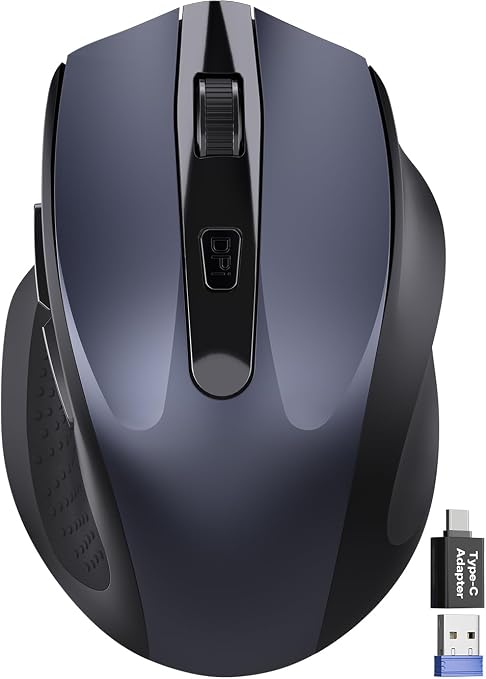
Experience unparalleled comfort and efficiency with the Wireless Quiet Cordless Mouse for Laptop, expertly crafted for professionals seeking precision and ease. Its ergonomic design and quiet operation make it an ideal companion for architects and creatives who demand both functionality and focus during extended work sessions.
Compact and travel-friendly, this mouse boasts a right-hand ergonomic shape with a built-in thumb rest to minimize grip fatigue. Offering silent clicks and customizable 3-level DPI settings, it ensures smooth cursor control across various surfaces. Compatible with a wide range of devices thanks to its USB-A nano receiver and USB-C adapter, it supports seamless, lag-free wireless connectivity up to 33 feet.
Compatible with a wide range of devices thanks to its USB-A nano receiver and USB-C adapter, it supports seamless, lag-free wireless connectivity up to 33 feet.
Pros
- Ergonomic design with thumb rest reduces hand strain over long work hours.
- Silent clicking improves concentration in quiet environments like offices and libraries.
- Versatile compatibility with USB-A and USB-C adapters for numerous devices and operating systems.
Cons
- Batteries (1×AA) are required but not included, which may require an extra purchase upfront.
For architects and professionals seeking the best computer mouse for architects, this wireless quiet mouse combines ergonomic comfort, compactness, and reliable wireless performance. Its thoughtful features and broad compatibility deliver great value for those prioritizing productivity and comfort on the go.
The Ultimate Guide to Choosing the Best Computer Mouse for Architects
Ergonomics and Comfort
Grip style suitability (palm, claw, fingertip). Weight and size considerations. Button placement and accessibility.Architectural work demands precision and efficiency, which heavily depend on how well a mouse integrates with other devices and adapts to evolving workspace needs. A mouse that supports multiple connection options, such as USB, Bluetooth, or wireless dongles, ensures seamless compatibility across various computers and environments. Additionally, having extra ports or slots for add-ons like charging hubs or programmable buttons can significantly enhance workflow customization and productivity.
Additionally, having extra ports or slots for add-ons like charging hubs or programmable buttons can significantly enhance workflow customization and productivity.
Understanding a mouse’s connection features also helps in reducing lag and interference, crucial for detailed design tasks where responsiveness is key. Expanded interface capabilities allow architects to tailor the device’s functionality, whether that means adding shortcut keys or pairing with specialized peripherals.
This adaptability isn’t just about convenience—it directly impacts the speed and accuracy of intricate designs.
| Connection Type | Advantages | Considerations |
|---|---|---|
| Wired (USB) | Stable connection, no battery issues | Limited mobility, cable clutter |
| Wireless (Bluetooth) | Freedom of movement, fewer cables | Potential latency, battery dependence |
| Wireless (Proprietary 2.4 GHz) | Low latency, reliable connection | Requires USB dongle, risk of dongle loss |
Ultimately, a mouse that offers flexible connectivity options combined with expandable functions can adapt to an architect’s specific software setups and device ecosystems, leading to smoother project execution and future-proof performance.
Precision and Sensor Type
DPI range and adjustability. Optical vs. laser sensors. Tracking accuracy on different surfaces.Understanding how a mouse connects to your device and the options available for adding extra features is crucial for a smooth and efficient workflow. Wireless options provide freedom of movement but may introduce latency, which can affect precision during detailed design tasks.
Additionally, the availability of extra USB ports or customizable buttons can enhance productivity by allowing seamless integration with other tools and shortcuts, reducing the need to switch between devices frequently.
Expanding the mouse’s capabilities through additional features or compatibility with multiple devices can future-proof your setup, ensuring that it adapts to evolving project requirements and software updates. This flexibility not only saves time but also prevents interruptions, allowing architects to maintain focus and accuracy on complex designs.
Programmable Buttons and Customization
Number of customizable buttons. Software compatibility for macros and shortcuts. Profile switching capability.Ensuring a seamless connection to various devices and having the flexibility to add peripherals is crucial for professional use. A mouse that supports multiple connection options such as Bluetooth, USB dongle, or wired USB allows for greater adaptability in different work environments.
This versatility helps maintain productivity, especially when working across different systems or requiring varied setups.
| Connection Type | Advantages | Considerations |
|---|---|---|
| Bluetooth | Wireless, reduces cable clutter | May introduce slight input lag |
| USB Dongle | Reliable connection, low latency | Requires occupying a USB port |
| Wired USB | Consistent response, no battery needed | Restricts mobility, cable management needed |
Connectivity Options
Wired vs. wireless performance. Battery life and charging options. Latency and response time.Wired and wireless mice offer distinct advantages that can impact workflow efficiency and precision. Wired models typically provide a stable, lag-free connection, ensuring low latency and instant response times—features that are crucial for architects who require precise cursor movements during detailed design tasks. On the other hand, wireless mice bring the benefit of freedom from cables, enhancing comfort and reducing workspace clutter, but battery life becomes a key factor to monitor. Models with long-lasting batteries or convenient charging methods, such as USB-C quick charge or wireless charging pads, help avoid interruptions during intensive sessions.
Models with long-lasting batteries or convenient charging methods, such as USB-C quick charge or wireless charging pads, help avoid interruptions during intensive sessions. Latency differences are generally minimal with modern wireless technology, but professionals should weigh these factors against any critical timing needs to maintain smooth and accurate control.
Durability and Build Quality
Material quality and robustness. Switch lifespan and reliability. Resistance to wear and tear from extended use.Reliable connection options and the availability of additional ports or features can significantly enhance workflow efficiency for architects. Wireless or wired interfaces each have their advantages; a stable and low-latency connection ensures precise control during intricate design tasks, while extra USB hubs or customizable ports allow seamless integration of other essential devices.
Compatibility and Software Integration
Operating system support. Integration with CAD and design software. Firmware updates and software support.Architectural design demands precision and seamless interaction between tools and software. Ensuring that a mouse supports your operating system is crucial, as compatibility issues can disrupt workflow or limit functionality. Equally important is the ability of the device to integrate smoothly with CAD and design applications, allowing customizable buttons and gestures that streamline complex tasks.
Ongoing firmware updates and reliable software support play a vital role in maintaining performance, adding new features, and fixing potential bugs over time.
| Aspect | Importance for Architectural Work | Benefit |
|---|---|---|
| Operating System Support | Compatibility with Windows, macOS, or Linux | Ensures full functionality and smooth operation without glitches |
| Software Integration | Customization within CAD & design programs | Improves productivity by allowing tailored shortcuts and commands |
| Firmware & Software Updates | Regular updates and bug fixes | Enhances device longevity and keeps features up to date |
FAQ’s
What Features Should Architects Look For In A Computer Mouse?Architects should look for a computer mouse with high precision and customizable buttons to enhance accuracy and workflow efficiency. Additionally, ergonomic design is important to ensure comfort during long hours of use.
Which Computer Mouse Offers The Best Precision For Architectural Design Work?The Logitech MX Master 3 is widely regarded as the best computer mouse for architectural design due to its high-precision sensor and customizable buttons. Additionally, its ergonomic design ensures comfort during long hours of detailed work.
Are Ergonomic Computer Mice Better For Architects Who Work Long Hours?Yes, ergonomic computer mice are better for architects who work long hours because they reduce strain on the hand and wrist, helping to prevent repetitive stress injuries. This increased comfort can improve productivity and focus during extended design sessions.
What Are The Top Wireless Computer Mice Recommended For Architects?Top wireless computer mice recommended for architects include the Logitech MX Master 3, known for its ergonomic design and customizable buttons, and the Apple Magic Mouse 2, favored for its sleek design and multi-touch gestures. Both offer precision, comfort, and advanced features suitable for detailed design work.
How Does A Customizable Computer Mouse Improve Productivity For Architects?A customizable computer mouse improves productivity for architects by allowing them to assign specific functions or shortcuts to buttons, streamlining complex design tasks and reducing the need to switch between tools. This tailored functionality enhances workflow efficiency and precision during detailed architectural work.
Conclusion
In summary, the best computer mouse for architects combines precision, ergonomic design, and customizable features to enhance productivity and comfort during long design sessions. Whether you prioritize advanced tracking, programmable buttons, or wireless convenience, selecting a mouse tailored to architectural software workflows can significantly improve efficiency and reduce strain, making it an essential tool for every architect’s workspace.

- Top Best Computer Speakers with Microphone for Clear Sound! - November 11, 2026
- Best Wired Computer Speakers That Blow Your Mind! - November 11, 2026
- Top Best External Speakers for Laptop Computers Revealed! - November 11, 2026
