
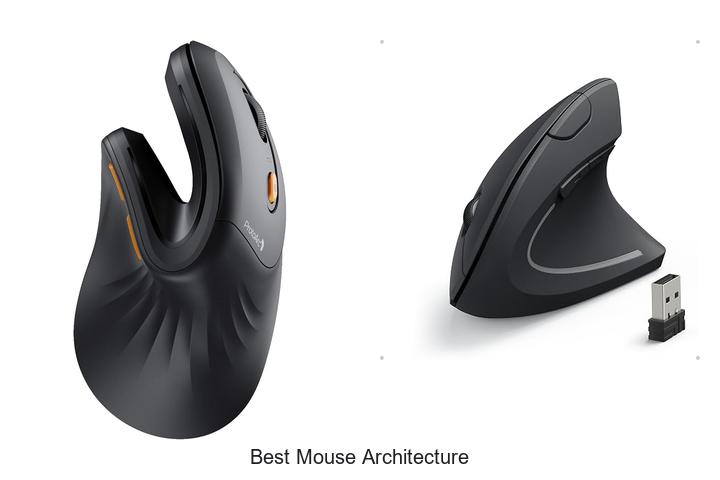
In the realm of input devices, the intricacies of sensor precision, DPI (dots per inch) calibration, and ergonomic engineering converge to define the best mouse architecture. Advanced optical and laser sensor technologies, combined with meticulously designed tracking algorithms, form the backbone of performance-oriented mice.
Additionally, factors such as button responsiveness, latency minimization, and customizable weight distribution play critical roles in enhancing user experience across diverse applications—from competitive gaming to professional design work. Understanding how these components integrate within the best mouse architecture reveals the subtle yet impactful nuances that distinguish a superior device from a standard peripheral. Exploring these design elements in detail uncovers why certain mice stand out in functionality and user satisfaction.
What specific architectural innovations drive these advancements? The following sections delve deeper into this fascinating topic.
Discover the Top Designs That Redefine Precision and Comfort
| Image | Product | Price |
|---|---|---|
Our Picks 1  | ProtoArc EM11 NL Wireless Ergonomic Vertical Mouse | Check Price On Amazon |
Our Picks 2  | Anker Wireless Ergonomic Right Hand Vertical Mouse | Check Price On Amazon |
Our Picks 3  | Uineer Vertical Wireless Bluetooth Mouse | Check Price On Amazon |
1. ProtoArc EM11 NL Wireless Ergonomic Vertical Mouse
The ProtoArc EM11 NL Wireless Ergonomic Vertical Mouse is crafted to offer superior comfort and efficiency for small to medium hand sizes. Its innovative vertical design promotes a natural wrist position, reducing strain and enhancing productivity for users seeking long-term comfort during extended computer sessions.
Designed for hands under 5 inches, the EM11 NL supports connection to up to three devices simultaneously via dual Bluetooth and 4G USB-A modes. Featuring adjustable DPI settings, silent clicking buttons, and a rechargeable battery, this mouse balances ergonomic benefits with versatile, high-performance functionality.
Pros
- Ergonomic vertical design minimizes wrist strain by aligning with the natural grip
- Supports seamless multi-device connectivity through Bluetooth and USB-A receiver
- Adjustable DPI levels (1000/1600/2400) ensure precise cursor control for varied tasks
Cons
- Requires a learning period of 1-2 weeks to adapt to the vertical grip
Balancing ergonomic innovation with practical features, the ProtoArc EM11 NL offers a compelling option for users prioritizing hand comfort and multitasking capability. Compared to standard mice, its design encourages healthier wrist posture, making it a valuable investment for reducing repetitive strain discomfort.
2. Anker Wireless Ergonomic Right Hand Vertical Mouse
Discover superior comfort and precision with the Anker Wireless Ergonomic Right Hand Vertical Mouse, designed to reduce wrist strain through its innovative vertical architecture. Ideal for professionals and casual users alike, it supports a natural hand position to enhance productivity during extended computer use.
Equipped with 4 GHz wireless connectivity via a USB receiver, this optical mouse offers adjustable DPI settings of 800, 1200, and 1600 for smooth and accurate tracking on various surfaces. Its user-friendly design includes next/previous buttons, energy-saving features, and compatibility across multiple operating systems, balancing functionality and comfort.
Pros
- Ergonomic vertical design promotes a healthy neutral wrist and arm posture.
- Adjustable DPI settings (800/1200/1600) provide precise tracking for diverse tasks.
- Energy-efficient with automatic power-saving mode and easy wake-up function.
Cons
- Key click sounds are present, which may distract sensitive users.
Combining ergonomic innovation with wireless convenience, the Anker Vertical Mouse stands out as an excellent choice for those seeking comfort and performance in daily computer use. Compared to traditional mice, it offers enhanced wrist support without compromising responsiveness, making it a valuable investment under $
3. Uineer Vertical Wireless Bluetooth Mouse
Discover the Uineer Vertical Wireless Bluetooth Mouse, designed to transform your computing experience with ergonomic comfort and versatile connectivity. Its innovative vertical grip reduces wrist strain, making it a perfect companion for long hours of work or gaming, while vibrant ambient lighting adds a stylish touch to your workspace.
Featuring dual Bluetooth 0/0 and 4G wireless modes, this mouse seamlessly connects up to three devices simultaneously without lag. Four adjustable DPI settings adapt to various tasks from precise document editing to casual gaming.
Its smart power-saving system and compatibility across multiple operating systems ensure convenience and reliability in everyday use.
Pros
- Ergonomic vertical design reduces wrist discomfort and prevents repetitive strain injuries.
- Supports simultaneous connection to three devices with easy switching, enhancing productivity.
- Adjustable DPI levels (800 to 2400) and smooth tracking on various surfaces for versatile use.
Cons
- Side buttons are non-functional on macOS, limiting full feature use for Mac users.
Combining ergonomic innovation with advanced wireless technology, the Uineer Vertical Wireless Bluetooth Mouse stands out as a practical and stylish choice for users seeking comfort and multi-device flexibility. Its affordable price and robust feature set make it a smart investment compared to conventional mice.
4. UtechSmart Venus Pro Wired MMO Gaming Mouse

Discover unparalleled precision and customizability with the UtechSmart Venus Pro Wired MMO Gaming Mouse, engineered specifically for demanding MMO gamers. Featuring an ultra-high 16400 DPI sensor and customizable RGB lighting, it enhances gameplay with superior accuracy and style.
Equipped with 19 programmable buttons, including 12 side keys and an auto-fire button, the Venus Pro enables tailored control over your gaming commands. Its ergonomic right-handed design and adjustable weights ensure comfort and precision for extended sessions, while the durable build and braided cable promise lasting performance.
Pros
- Highly sensitive Avago sensor offering adjustable DPI from 200 to 16400 for precise movement tracking
- Multiple programmable buttons with customizable macros enhance gameplay flexibility and efficiency
- Ergonomic design with textured grip and adjustable weights provides superior comfort and control
Cons
- The extensive number of side buttons may require a learning curve for some users
Offering a balance of precision, customization, and comfort, the UtechSmart Venus Pro sets itself apart as an excellent choice for MMO enthusiasts seeking to elevate their gameplay. Its performance competes well with other gaming mice in the same price range, making it a smart investment for serious players.
5. ProtoArc EM11 NL Wireless Ergonomic Vertical Mouse

Experience comfort and efficiency with the ProtoArc EM11 NL Wireless Ergonomic Vertical Mouse, designed specifically for small to medium hands. Its thoughtfully engineered vertical design supports a natural hand position, reducing wrist strain during extended usage sessions, making it an excellent choice for office and home productivity.
Featuring a 58° ergonomic angle, the EM11 NL promotes a relaxed forearm posture. It seamlessly connects to three devices via dual Bluetooth and 4G USB-A, allowing effortless switching between your laptop, desktop, and tablet.
Pros
- Ergonomically crafted with a 58° vertical angle to support natural wrist alignment and reduce fatigue
- Connectivity flexibility enables pairing with three devices for streamlined multitasking
- Long-lasting USB-C rechargeable battery minimizes environmental impact and downtime
Cons
- Scroll wheel and navigation buttons produce audible clicks, which may disrupt quiet environments
For users seeking a balance of ergonomic design and versatile connectivity, the ProtoArc EM11 NL stands out against standard flat mice. Its specialized shape and multi-device support make it a compelling option to enhance comfort and workflow efficiency without a premium price tag.
6. ProtoArc EM11 Wireless Ergonomic Vertical Mouse White

Discover the ProtoArc EM11 Wireless Ergonomic Vertical Mouse in sleek white, expertly crafted to enhance comfort and productivity. Designed especially for small to medium hands, this vertical mouse reduces wrist strain with its unique 58° ergonomic angle, perfect for long hours at your desk or on the go.
Equipped with multi-device connectivity via Bluetooth and 4G USB-A, users can seamlessly toggle between three devices with a simple click. Its USB-C rechargeable 500mAh battery offers up to 100 hours of active use, while adjustable DPI settings of 1000, 1600, and 2400 ensure precise control tailored to your workflow.
Pros
- Ergonomic 58° vertical design minimizes wrist and forearm fatigue during extended use.
- Ability to connect with up to three devices simultaneously through Bluetooth and USB-A.
- Long-lasting USB-C rechargeable battery provides convenience and reduces waste.
- Adjustable DPI settings improve precision for various tasks and preferences.
- Quiet left and right click buttons ideal for shared or quiet environments.
Cons
- Scroll wheel and back/forward buttons are not silent, which might be noticeable in very quiet spaces.
The ProtoArc EM11 stands out as an affordable ergonomic solution, blending comfort, functionality, and modern connectivity. Its specialized design and enhanced features offer a distinct advantage over traditional mice and typical vertical models, making it a top choice for those seeking the best mouse architecture for productivity and wrist health.
7. Ergonomic Wireless Vertical Mouse with USB Receiver Green

Discover the Ergonomic Wireless Vertical Mouse in Green, expertly designed to promote a natural handshake position, reducing wrist strain for comfortable daily use. Ideal for users seeking a compact yet fully functional accessory that enhances productivity while supporting hand health.
Sized perfectly for medium to large grips, this vertical mouse features an ultra-quiet clicking mechanism, intuitive thumb controls, and a reliable 32-foot wireless range via a plug-and-play USB receiver. Its energy-efficient design supports up to 16 months of battery life, powered by a single AA battery (not included).
Pros
- Ergonomic vertical design minimizes muscular strain and wrist pressure, promoting comfort during extended use.
- Plug-and-play wireless connectivity with an impressive 32-foot range eliminates the need for additional drivers.
- Quiet clicks and strategically placed front/back thumb buttons enable a distraction-free, intuitive workflow.
Cons
- Battery not included, requiring a separate purchase of one AA battery to start using the mouse.
A smart choice for professionals and casual users seeking ergonomic comfort paired with long-lasting wireless performance, this mouse stands out against standard models with its refined size and user-focused features, making it a top contender for the best mouse architecture in its category.
8. JYKEYMOUT Rechargeable Wireless Vertical Mouse

Experience seamless control and supreme comfort with the JYKEYMOUT Rechargeable Wireless Vertical Mouse. Designed to enhance productivity, this ergonomic mouse combines innovative dual connectivity and long-lasting battery life, making it an excellent choice for professionals and casual users alike seeking the best mouse architecture for their workspace.
Equipped with both Bluetooth 2/0 and 4GHz USB modes, it effortlessly connects to multiple devices, while its vertical design minimizes wrist strain. Silent clicks and customizable DPI settings ensure precise navigation, all powered by a rechargeable battery that lasts up to three months per charge.
Pros
- Dual-mode connectivity allows simultaneous connection to two devices with easy switching, saving USB ports and enhancing workflow flexibility.
- Ergonomic vertical design promotes a natural hand position, reducing wrist and arm fatigue during extended use.
- Rechargeable battery with Type-C charging offers impressive longevity (1-3 months) and eliminates frequent battery replacements.
Cons
- “Back” and “Forward” function buttons are not compatible with Mac OS, limiting browsing shortcuts on Apple devices.
Combining ergonomic innovation with versatile connectivity, the JYKEYMOUT Rechargeable Wireless Vertical Mouse stands out as a practical and health-conscious choice. Its quiet operation and multi-device support make it an ideal alternative to traditional mice, especially when compared to single-mode or non-ergonomic options.
9. PHILIPS Wireless Ergonomic Bluetooth Mouse

Experience exceptional comfort and seamless productivity with the PHILIPS Wireless Ergonomic Bluetooth Mouse. Designed to reduce wrist strain during extended use, it combines advanced ergonomics with multi-device functionality, making it an ideal tool for professionals who demand precision and versatility in their daily workflow.
Crafted with a contoured right-handed design and an anti-slip thumb rest, this mouse supports wider grips and diminishes fatigue. Its quiet click technology ensures minimal noise disturbance, while Bluetooth and dual USB-A/C receivers allow effortless connection to up to three devices.
Dual scroll wheels and customizable buttons enhance navigation and efficiency for heavy spreadsheet and design users.
Pros
- Ergonomically shaped to reduce wrist fatigue during prolonged use
- Compatible with multiple devices via Bluetooth and dual USB receivers, supporting seamless switching
- Dual scroll wheels enable smooth vertical and horizontal navigation, ideal for spreadsheets and design tasks
Cons
- Right-handed design may not suit left-handed users
Offering a refined blend of ergonomic comfort, versatile connectivity, and enhanced productivity features, the PHILIPS Wireless Ergonomic Bluetooth Mouse stands out as a reliable choice for professionals. Its rechargeable capability and quick top-up charging further ensure uninterrupted workflow, positioning it ahead of many standard wireless mice in its price range.
10. Wireless Ergonomic Vertical Mouse

Discover superior comfort and precision with the Wireless Ergonomic Vertical Mouse, designed to support your wrist and arm naturally during extended computer use. Its innovative vertical orientation reduces strain, making it an excellent choice for anyone seeking relief from repetitive stress or wrist discomfort.
Featuring a 4GHz USB wireless connection, this mouse delivers stable and responsive performance within a 10-meter range. Adjustable DPI settings (800, 1200, 1600) provide customizable sensitivity, while convenient Next and Previous buttons enhance web browsing efficiency—ideal for both work and casual use.
Pros
- Ergonomic vertical design promotes a natural handshake position to reduce wrist strain.
- Reliable 2.4G wireless connectivity with plug-and-play setup for hassle-free use.
- Adjustable DPI levels to suit different sensitivity preferences and tasks.
- Extra navigation buttons for seamless web page browsing (note: incompatible with Mac OS forward/back functionality).
- Compatible across multiple operating systems including Windows, Mac OS, Linux, and Android.
Cons
- Forward/back button functionality is not supported on Mac OS systems.
Combining ergonomic benefits with wireless convenience and customizable sensitivity, this mouse stands out in its category. It offers exceptional value for those seeking a healthier and more efficient computing experience compared to traditional mice.
Ultimate Guide to Choosing the Best Mouse Architecture for Seamless Performance
Ergonomic Design and Comfort
Hand shape compatibility (palm, claw, fingertip). Size and weight considerations. Grip style suitability.Ergonomic design and comfort play a crucial role in ensuring a smooth and efficient experience with your device. Different hand shapes—palm, claw, and fingertip—each interact uniquely with the device’s form factor, influencing how comfortable and natural the movements feel.
Size and weight are also significant factors; a heavier device may offer more precision for some users, while others prefer a lighter model for quicker, more effortless motion. Additionally, the grip style must align with the device’s dimensions and button placement to reduce strain during extended use. Considering how well the device integrates with various hand morphologies and usage habits helps prevent discomfort and enhances overall control.
Sensors and Tracking Technology
Optical vs. laser sensors. DPI range and sensitivity adjustment. Tracking precision for different surfaces.Understanding the variety of sensor technologies in a mouse is essential for achieving precise control and responsiveness. Optical sensors use an LED light to track movement, making them highly accurate on non-glossy, opaque surfaces, while laser sensors emit an infrared beam that allows for higher sensitivity and the ability to track on glossy or transparent surfaces.
Another key aspect is the DPI (dots per inch) range, which dictates how sensitive the mouse is to movement; mice with adjustable DPI settings enable users to switch between slow, precise actions and quick, sweeping movements effortlessly. Tracking precision can vary depending on the surface—optical sensors generally perform better on cloth mousepads and matte surfaces, whereas laser sensors are more versatile across different textures. Selecting a device that balances these features helps ensure smooth, accurate performance tailored to various tasks and environments.
Button Layout and Customization
Number and placement of buttons. Programmable buttons and macros. Software support for customization.Button layout and customization play a crucial role in enhancing user experience and efficiency. The number and placement of buttons affect how easily you can execute commands, especially during gaming or complex tasks.
Additionally, programmable buttons and macros offer a significant advantage by enabling users to assign specific actions or sequences, reducing repetitive movements and improving speed.
Equally important is the availability of robust software support, which ensures seamless customization. Dedicated software lets you tailor button functions, adjust sensitivity, and create profiles suited to different applications or games.
Connectivity Options
Wired vs. wireless vs. Bluetooth. Battery life and recharge time (for wireless). Latency and signal stability.Understanding the different modes of device linkage is crucial for an optimal experience. Devices that connect via cables often offer the most stable and instantaneous response, making them ideal for tasks requiring precision and minimal delay. Wireless options, while offering greater mobility and less clutter, vary significantly in battery life and recharge times, which can impact uninterrupted use during extended sessions.
Bluetooth connections provide convenience by easily pairing with multiple devices, but they may face occasional latency issues or signal interference depending on the environment. Evaluating the trade-offs between these connection methods helps ensure the device remains reliable and efficient in daily use.
| Connection Type | Advantages | Potential Drawbacks |
|---|---|---|
| Wired | Stable signal, zero latency, no need for charging | Cable restrictions, less portability |
| Wireless | Freedom of movement, less desk clutter | Battery dependency, recharge time affects usage |
| Bluetooth | Easy device switching, compatible with many devices | Possible latency, signal interference in crowded areas |
Build Quality and Durability
Materials and finish. Switch lifespan and reliability. Dust and water resistance features.A reliable mouse must offer seamless integration with various devices and peripherals through multiple ports or wireless options. This ensures smooth operation whether connecting to laptops, desktops, or other gadgets. Additionally, having room for future upgrades by supporting additional modules or accessories can extend the device’s lifespan and adaptability, making it a more versatile tool for evolving needs.
Additionally, having room for future upgrades by supporting additional modules or accessories can extend the device’s lifespan and adaptability, making it a more versatile tool for evolving needs.
Compatibility and Additional Features
Operating system support. RGB lighting and aesthetic options. Onboard memory and profiles.Ensuring seamless interaction with your device’s operating system is crucial for optimal performance and ease of use. Different models may offer varying levels of support for systems like Windows, macOS, or Linux, affecting functionality such as customizable buttons and gesture controls. Additionally, features like RGB lighting and aesthetic options not only enhance the visual appeal but also provide practical benefits, including customizable color profiles that can match your setup or indicate specific modes.
Onboard memory plays a vital role by storing personalized settings and profiles directly on the device, allowing you to maintain your configurations across different computers without needing to reinstall software. All these elements contribute to a more tailored and efficient experience.
| Feature | Benefit |
|---|---|
| Operating System Support | Ensures full compatibility and access to all advanced features |
| RGB Lighting & Aesthetic Options | Enhances visual customization and can improve usability through dynamic lighting cues |
| Onboard Memory & Profiles | Allows saving personalized settings for use on multiple devices without software setup |
FAQ’s
What Are The Key Features Of The Best Mouse Architecture For Computing?The best mouse architecture for computing features high precision sensors and ergonomic design for accurate and comfortable use. It also includes customizable buttons and low-latency connectivity to enhance user efficiency and responsiveness.
How Does The Best Mouse Architecture Improve User Experience And Performance?The best mouse architecture enhances user experience by providing precise and responsive tracking, enabling smoother and more accurate cursor control. Additionally, it improves performance through ergonomic design and efficient sensor technology, reducing user fatigue and increasing productivity.
What Materials And Design Considerations Contribute To The Best Mouse Architecture?The best mouse architecture combines lightweight, durable materials like high-grade plastics or aluminum with ergonomic design to ensure comfort and precision. Additionally, factors such as sensor quality, button responsiveness, and customizable features enhance overall performance and user experience.
How Does Sensor Technology Impact The Effectiveness Of Mouse Architecture?Sensor technology significantly enhances the effectiveness of mouse architecture by improving tracking precision and responsiveness, allowing for smoother and more accurate cursor movements. Advanced sensors also enable better adaptation to different surfaces, increasing overall usability and user experience.
What Are The Differences Between Wired And Wireless Mouse Architectures In Terms Of Reliability And Efficiency?Wired mouse architectures generally offer higher reliability with consistent, interference-free connections, while wireless mice may experience occasional signal interference or lag. However, wireless mice provide greater efficiency in terms of mobility and ease of use without cable restrictions.
Conclusion
In summary, the best mouse architecture combines ergonomic design with advanced sensor technology to ensure precision, comfort, and durability. Whether for gaming, professional design, or everyday use, choosing a mouse with customizable buttons, adjustable DPI settings, and a shape that fits your hand can significantly enhance your experience. Investing in quality architecture guarantees long-term performance and ease of use.

- Top Best Computer Speakers with Microphone for Clear Sound! - November 11, 2026
- Best Wired Computer Speakers That Blow Your Mind! - November 11, 2026
- Top Best External Speakers for Laptop Computers Revealed! - November 11, 2026
